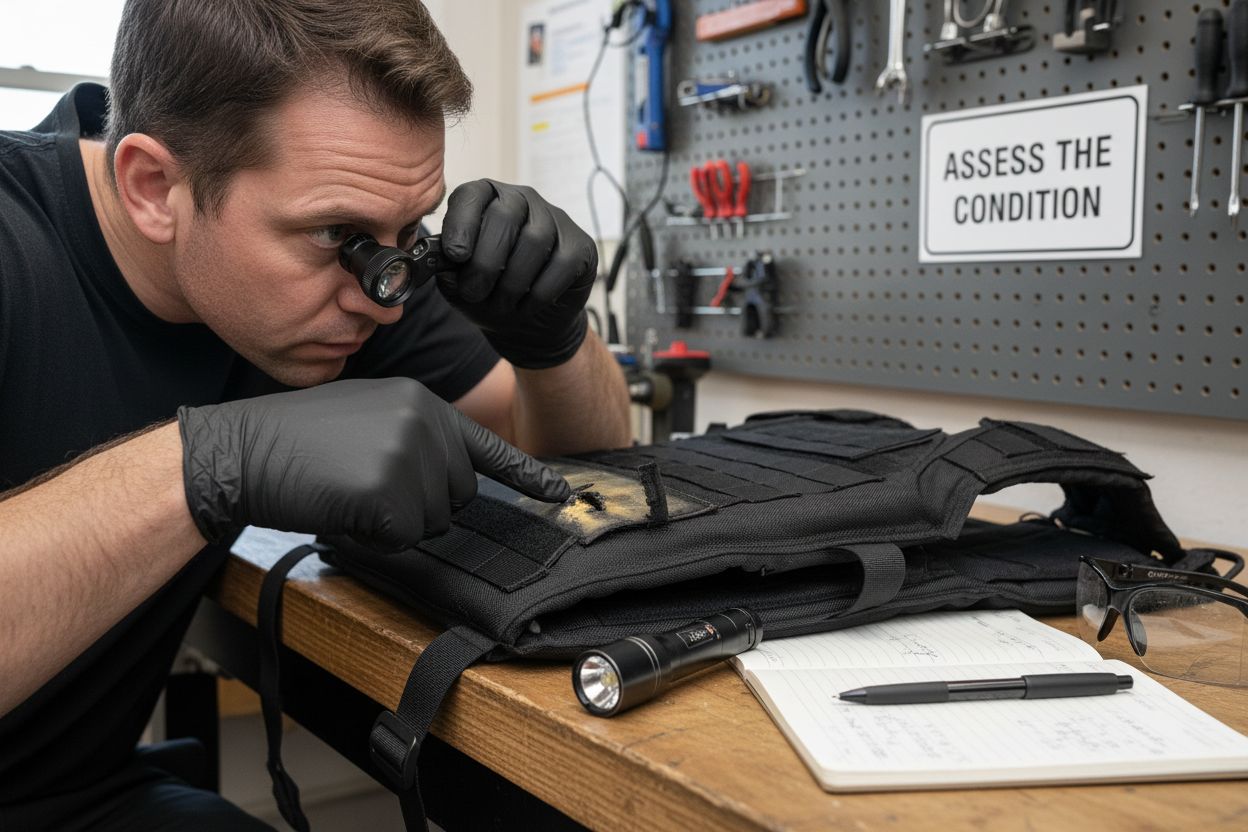
Learn which stabproof vests to choose for your mission with a step-by-step guide for safety and protection.
Choosing a stab-proof vest is not as simple as picking the thickest one off the shelf. The National Institute of Justice uses three threat levels to classify body armor protection, and most people have no idea that your professional risk can mean the difference between harmless and life-changing protection. Many believe the bulkiest vest equals the safest option, but real protection is about matching your specific threat, the right material, and perfect fit. One surprising oversight can leave even well-prepared professionals exposed when it matters most.
Quick Summary
Key Point | Explanation |
|---|---|
1. Assess your protection needs carefully | Understand your specific threat landscape to choose the right stab-proof vest for optimal defense and mobility. |
2. Investigate various material types | Different materials offer varying levels of strength and comfort; know their properties to enhance safety without sacrificing mobility. |
3. Compare vest features and ratings | Use standardized ratings to evaluate protection levels and features that impact effectiveness and comfort in real-world situations. |
4. Ensure proper fit and comfort | A well-fitted vest is crucial for effective protection; try on multiple options to find one that allows for full range of motion. |
5. Verify compliance with safety standards | Check for NIJ certification to ensure the vest meets rigorous testing protocols for stab resistance and reliable protection. |
Step 1: Assess Your Stab-proof Vest Needs
Selecting the right stab-proof vest begins with a thorough and honest assessment of your personal protection requirements. Understanding your specific threat landscape is crucial in choosing body armor that provides optimal defense without compromising comfort or mobility.
The National Institute of Justice recommends conducting a comprehensive risk analysis that considers not just the immediate threats but potential escalation scenarios. For instance, a security guard monitoring a nightclub might need protection against short, quick knife strikes, while a corrections officer might require defense against longer, more deliberate stabbing attempts.
Material composition and protection level become paramount when matching armor to your specific needs. Stab-proof vests typically come in multiple protection levels that correspond to different threat intensities:
Level 1: Protects against low-energy knife attacks with minimal penetration force
Level 2: Provides defense against medium-energy strikes with higher resistance
Level 3: Offers maximum protection against high-energy weapon threats
Beyond threat level, consider practical factors like weight, flexibility, and concealability. A bulky vest might offer superior protection but could restrict movement in dynamic environments. Conversely, ultra-lightweight options might sacrifice some defensive capabilities for increased mobility.
The table below summarizes the main protection levels of stab-proof vests and highlights their key characteristics to help match your selection to your risks and operational needs.
Protection Level | Threat Description | Typical Use Case | Key Considerations |
|---|---|---|---|
Level 1 | Low-energy knife attacks | Low-risk security, civilian self-defense | Maximum mobility, lower weight |
Level 2 | Medium-energy knife strikes | General law enforcement, security patrols | Balanced protection and flexibility |
Level 3 | High-energy weapon threats | Corrections officers, high-risk situations | Highest protection, increased weight |
Remember, the goal isn’t just purchasing body armor but investing in a solution that provides genuine, reliable protection tailored to your unique circumstances. A meticulously chosen stab-proof vest can mean the difference between vulnerability and security.
Step 2: Research Stab-proof Vest Materials
Diving into the world of stab-proof vest materials reveals a complex landscape of protective technologies designed to keep you safe in high-risk environments. Understanding the unique properties of different materials is crucial in selecting body armor that provides maximum protection without sacrificing comfort or mobility. Advanced polymeric research has revolutionized stab-proof vest design, introducing innovative materials that dramatically improve personal protection. Traditional options like Kevlar and aramid fibers have long been the gold standard, but modern developments now offer more sophisticated solutions that combine lightweight construction with superior defensive capabilities. Aramid fibers remain a cornerstone of stab-proof vest technology, providing exceptional strength-to-weight ratios. These synthetic materials create tightly woven layers that can effectively disperse and resist piercing forces. However, modern manufacturers have begun integrating advanced composites that enhance traditional aramid constructions. Hybrid materials like chainmail-reinforced fabrics and ceramic-infused polymers represent the cutting edge of protective gear design.
Consider the specific performance characteristics of different material types:
Aramid Fibers: Exceptional strength, lightweight, moderate flexibility
Chainmail Inserts: Maximum puncture resistance, slightly heavier construction
Laminated Polymer Composites: Enhanced energy dispersion, improved comfort
Here is a quick reference table comparing common stab-proof vest materials, outlining their benefits and considerations to guide your material selection process.
Material Type | Strength | Flexibility | Weight | Notes |
|---|---|---|---|---|
Aramid Fibers | High | Moderate | Lightweight | Excellent strength-to-weight ratio |
Chainmail Inserts | Very High | Low | Heavier | Superior puncture resistance, slightly bulky |
Laminated Polymer Composites | High | High | Light-Medium | Good energy dispersion, added comfort |
Practical research involves more than just reading specifications. Reach out to manufacturers, request material samples, and if possible, examine demonstration videos showing how different vest materials perform under controlled testing conditions. Look for independent third-party certifications that validate the protective capabilities of various material compositions.
Step 3: Compare Vest Features and Ratings
Comparing stab-proof vest features and ratings transforms your selection process from guesswork into a strategic decision. Standardized ratings provide the critical framework for understanding exactly how different vests will perform under real-world threat conditions. The National Institute of Justice establishes comprehensive standards that serve as your primary reference point for evaluating protective gear.
The NIJ stab resistance standard breaks down protection into three critical levels, each representing increasing defensive capabilities. Level 1 offers basic protection against low-energy knife attacks, while Level 3 provides maximum resistance against high-intensity threats. Understanding these distinctions allows you to match vest capabilities precisely with your anticipated risk environment.
Practical comparison requires more than just reading specifications. You’ll want to evaluate:
Manufacturer certification documents
Independent testing results
User feedback from professional environments
Specific threat performance demonstrations
Some professionals choose to complement their primary protection with additional concealed armor options that provide supplemental defense layers. This multi-tiered approach ensures maximum personal safety without compromising mobility.
Successful vest selection means finding the perfect balance between robust protection and practical wearability. A high-rated vest that feels uncomfortable or restricts movement becomes counterproductive. Your goal is discovering body armor that feels like a natural extension of your professional preparedness – protective yet unobtrusive.
Step 4: Test for Fit and Comfort
Finding the perfect stab-proof vest goes far beyond protective capabilities – fit and comfort are paramount to ensuring you can perform effectively in high-stress environments. The National Institute of Justice emphasizes that a poorly fitted vest can compromise both protection and operational readiness.
Precise measurement becomes your first critical step. Professional fitters recommend taking multiple body measurements while standing in a relaxed, natural posture. Your vest should cover vital organs completely without restricting breathing or upper body movement. Pay special attention to shoulder width, chest circumference, and torso length to ensure comprehensive protection that moves seamlessly with your body.
The fitting process requires a methodical approach. Try on multiple vest sizes and styles, moving through a range of motion that mimics your professional environment.

Simulate walking, bending, reaching, and quick directional changes to assess how the vest performs during dynamic movement. A properly fitted vest should feel like a second skin – snug enough to prevent shifting but not so tight that it impedes your ability to respond quickly.
Consider these critical comfort evaluation points:
Range of motion in shoulders and arms
Breathing capacity during stationary and active positions
Weight distribution across your torso
Potential friction points and chafing areas
Ease of putting on and removing the vest
Material flexibility plays a crucial role in comfort. Modern stab-proof vests incorporate ergonomic design principles that distribute weight evenly and minimize stress points. Some professionals choose to complement their primary vest with additional concealed protection that enhances overall comfort and layered defense.
Ultimately, comfort testing is about finding body armor that becomes an extension of your professional preparedness. The right vest should provide a sense of security without constantly reminding you of its presence.
Step 5: Verify Compliance with Safety Standards
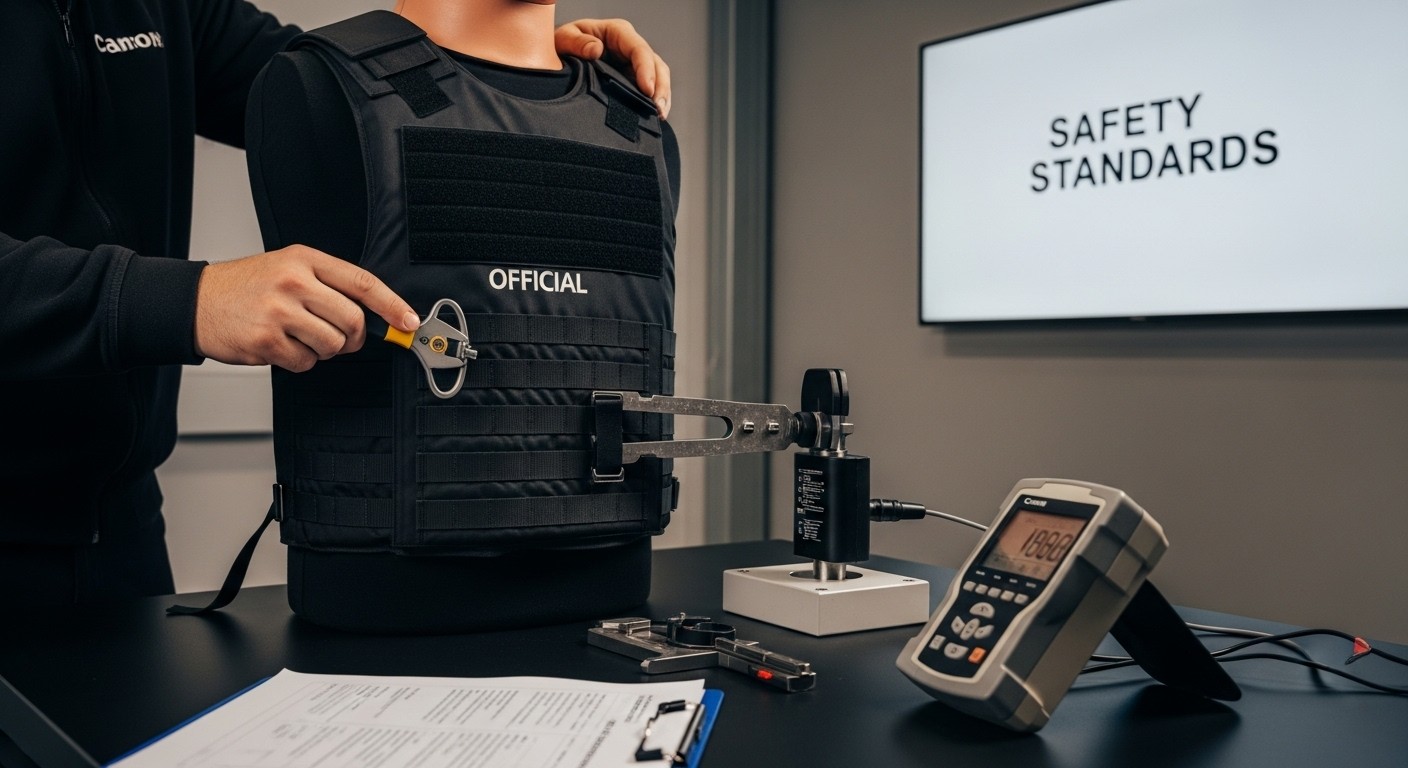
Verifying safety standards transforms your stab-proof vest selection from a personal choice into a professionally validated protection strategy. Compliance isn’t just a bureaucratic checkbox – it’s your guarantee of reliable defensive performance. The National Institute of Justice provides the gold standard for body armor certification, offering a comprehensive framework that protects both your physical safety and legal interests.
Navigating the compliance landscape requires a strategic approach. Look for vests that explicitly demonstrate adherence to NIJ Standard 0115.00, the definitive benchmark for stab-resistant body armor. This standard isn’t a suggestion – it’s a rigorous testing protocol that evaluates an armor’s ability to prevent weapon penetration under controlled conditions. Manufacturers who voluntarily submit their products for NIJ testing demonstrate a commitment to transparency and performance.
Consider these critical compliance verification steps:
Request official NIJ compliance certificates
Verify testing date and current validity
Cross-reference manufacturer claims with independent testing results
Check for recent recertification or ongoing compliance maintenance
The following table serves as a checklist to verify the compliance and authenticity of any stab-proof vest you consider, based on the recommended verification steps in the article.
Compliance Step | What to Look For | Why It Matters |
|---|---|---|
Request NIJ Compliance Certificates | Official, current certificates | Confirms vest meets recognized safety standards |
Verify Testing Date and Validity | Recent, within valid period | Ensures armor is not outdated or expired |
Cross-Reference Manufacturer Claims | Independent test documentation | Detects false claims or misleading information |
Check Ongoing Compliance Maintenance | Evidence of recent recertification | Shows continued adherence to safety requirements |
Ultimately, compliance verification is about more than meeting minimum requirements. It’s a commitment to professional preparedness, demonstrating that you’ve chosen body armor backed by rigorous scientific testing. A compliant vest isn’t just a piece of equipment – it’s a carefully engineered solution designed to protect you in high-risk environments.
Discover Stab-proof Vest For Your Mission
You have learned that choosing the right stab-proof vest is not just about buying gear. It is about analyzing risk, matching real protection levels to your environment, and guaranteeing compliance for your peace of mind. When your safety is on the line, uncertainty and misinformation are your biggest threats. Whether you are facing the challenge of concealed wear, searching for certified materials, or needing Level 1 through Level 3 resistance, your personal safety solution should be as unique as your mission.
Let Ace Link Armor guide your next step. Every product from our stab-proof vest collection is engineered to meet strict safety and comfort standards, delivered with full transparency about compliance and material. Explore our extensive catalog or find advanced options such as the Apex Concealed Armor Bulletproof T-Shirt – Flexcore for extra security without sacrificing movement. Do not risk your protection by settling for uncertainty.
Frequently Asked Questions
What factors should I consider when selecting a stab-proof vest?
When selecting a stab-proof vest, assess your protection needs based on potential weapon types, the likelihood of attacks, and your typical operational environment. Consider the level of protection needed, the vest’s material composition, weight, flexibility, and concealability.
What are the different material types used in stab-proof vests, and what are their benefits?
Stab-proof vests are made from materials like aramid fibers, chainmail inserts, and laminated polymer composites. Aramid fibers offer strength and lightweight properties, chainmail inserts provide maximum puncture resistance, and laminated composites enhance energy dispersion while maintaining comfort.
How do I know if a stab-proof vest meets safety standards?
To verify compliance, look for vests that adhere to the National Institute of Justice (NIJ) Standard 0115.00 for stab-resistant body armor. Request official certification documentation to confirm the vest’s testing parameters and performance levels, ensuring it meets rigorous safety standards.
Why is the fit and comfort of a stab-proof vest important?
The fit and comfort of a stab-proof vest are crucial as a poorly fitted vest can compromise both protection and operational effectiveness. A well-fitted vest should feel snug without restricting movement, allowing you to perform necessary actions effectively in high-stress situations.