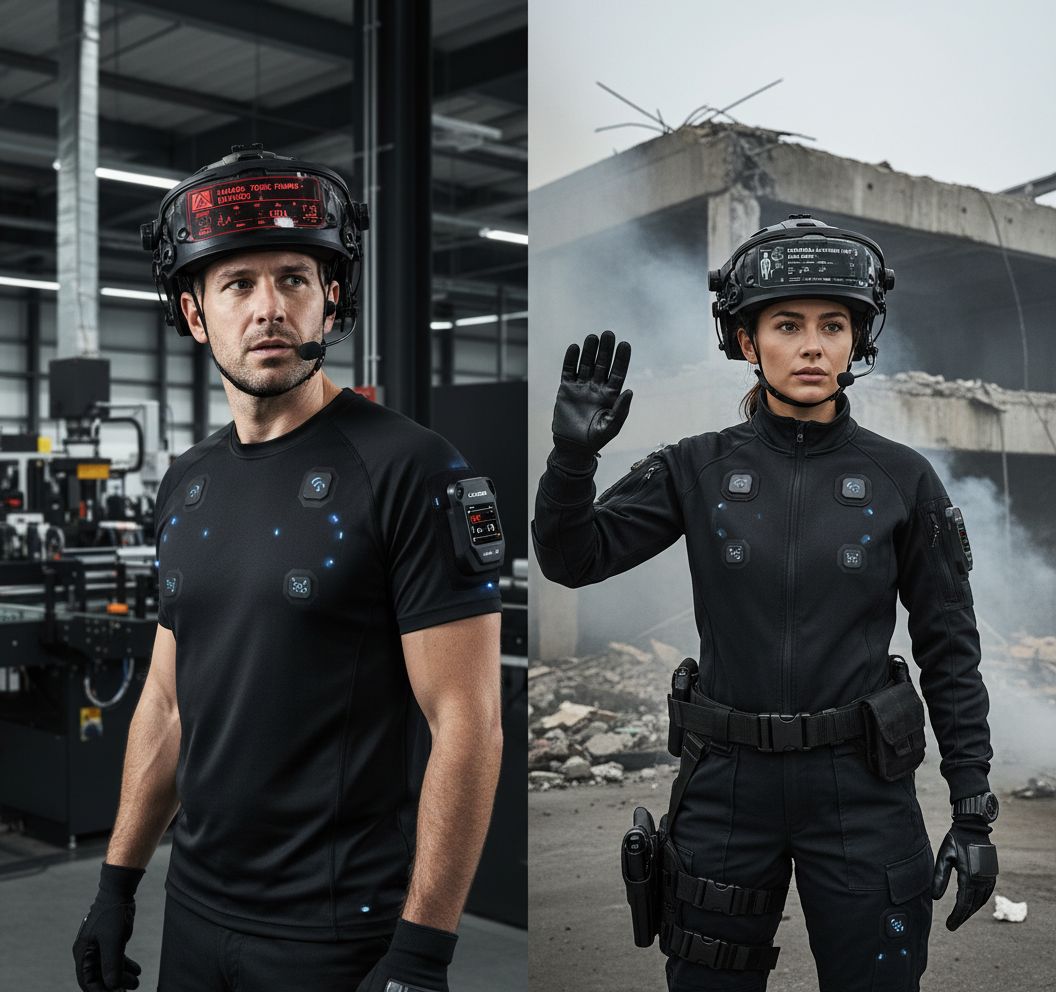
Follow this step-by-step guide to select, fit, and maintain Body Armor for female users, ensuring optimal protection and comfort.
Key Takeaways
Female body armor should be selected around coverage, fit, mobility, and intended threat level.
Poor fit can affect comfort, positioning, and daily wear compliance.
Female-specific armor design and testing considerations matter when comparing products.
Buyers should verify sizing, return options, and product documentation before purchase.
How This Fits Into Your Buying Decision
Use this article as one step in a larger buyer path. Start with Main Criteria When Choosing the Best Body Armor, then compare Body Armor Fit: Weight, Flexibility & Protection and Understanding Thermal Comfort While Wearing Body Armor before choosing equipment.
Body armor for women has evolved far beyond the old days of one-size-fits-all vests. Recent findings show that gender-specific armor design actually increases protective coverage and wearer satisfaction compared to traditional models. Most people think higher protection always means bulkier gear and less comfort. But the newest designs prove that you can get high-level safety, freedom of movement, and a precise fit tailored for female users—all at once. Female body armor is a challenging task for many manufacturers and body armor designers.
Quick Summary
Key Point | Explanation |
|---|---|
1. Identify Specific Protection Needs | Conduct a thorough threat assessment to determine the appropriate armor level based on your work or personal environment. |
2. Research Body Armor Materials | Understand the materials and designs that suit female users for comfort and effective ballistic protection. |
3. Ensure Proper Fit Through Measurement | Use precise measurements for chest, torso, and arms to achieve a snug fit that allows full range of motion. |
4. Test Armor for Mobility | Simulate real-world activities to assess how the armor performs in movement and comfort, identifying any restrictions. |
5. Follow Maintenance Guidelines | Establish a regular maintenance routine to check for damage and extend the life and effectiveness of your armor. |
Step 1: Identify your Protection Needs
Choosing the right female body armor for female protection starts with a comprehensive threat assessment. This crucial first step determines not just what level of protection you need, but how that protection will integrate into your specific professional or personal environment.
Begin by conducting an honest evaluation of potential risks you might encounter. For law enforcement officers, military personnel, or security professionals, this means analyzing the specific threats typical in your work environment. Are you facing potential handgun threats, rifle rounds, or both? Civilian users should also assess their personal risk landscape, considering factors like home defense scenarios, urban safety concerns, or potential workplace vulnerabilities.
Protection Levels Matter
Female body armor protection levels range from Level IIA to Level IV, each designed to stop different types of ammunition. Level IIA and II armor typically protect against lower velocity handgun rounds, while Level IIIA offers enhanced protection against more powerful handgun threats. For those requiring maximum protection, Level III and IV armors are engineered to stop high-velocity rifle rounds.
Your selection process should involve carefully matching armor protection levels to your specific risk profile. Do not overestimate or underestimate your needs. Overprotection can mean unnecessary weight and reduced mobility, while underprotection leaves you vulnerable.
Below is a comparison table summarizing the key features of body armor protection levels as described in the article. Use this table to match your threat environment to the appropriate armor level.
Protection Level | Typical Threats Stopped | Weight/Comfort | Recommended Use |
|---|---|---|---|
Level IIA | Lower velocity handgun rounds | Lightest, flexible | Low-threat environments, concealed wear |
Level II | Higher velocity handgun rounds | Lightweight, flexible | General law enforcement, security |
Level IIIA | Powerful handgun threats | Moderate weight | Enhanced law enforcement, urban risks |
Level III | Most rifle rounds (non-armor piercing) | Heavier, less flexible | Military, tactical, high-risk security |
Level IV | Armor-piercing rifle rounds | Heaviest, most rigid | Extreme risk, SWAT, specialized military |
Consider these critical factors when identifying your protection requirements:
Typical threat environments you operate in
Potential ammunition types you might encounter
Your personal mobility and comfort needs
Professional or personal role that requires protection
For more detailed guidance on matching protection levels to your specific needs, read our comprehensive body armor buying guide.
Remember that identifying your protection needs is not a one-time event. Regularly reassess your risk profile as your professional environment or personal circumstances evolve. Body armor is a critical investment in your personal safety, and choosing the right protection requires thoughtful, strategic consideration.
Step 2: Research Female Body Armor Options
Researching body armor options requires a strategic approach that goes beyond simply comparing price tags. Your investigation will involve understanding material technologies, manufacturer certifications, and specific design considerations unique to female body protection.
Material and Design Considerations
Start by exploring modern body armor materials that offer optimal protection without compromising comfort. Contemporary options include lightweight ceramics, advanced polyethylene composites, and aramid fibers that provide exceptional ballistic resistance. Female users should pay special attention to designs that accommodate different body shapes, ensuring full coverage without restricting movement.
Research from leading protection experts highlights the importance of gender-specific armor design. Traditional body armor often failed to address anatomical differences, leading to improper fit and reduced protection for female users. Modern manufacturers now recognize these challenges and develop armor with contoured designs that better align with female physiology.
When researching options, prioritize manufacturers who demonstrate a commitment to comprehensive protection. Look for detailed specifications that outline:
NIJ certification levels
Weight and mobility specifications
Materials used in construction
Specific design features for female users
Warranty and replacement policies
Utilize multiple research channels during your investigation. Professional forums, law enforcement equipment reviews, and manufacturer technical specifications can provide valuable insights. Do not rely solely on marketing materials. Seek out independent testing reports and user testimonials that offer genuine performance assessments.
Consider consulting with professionals in your specific field who can provide practical recommendations. Law enforcement equipment specialists, military procurement experts, and experienced tactical gear professionals can offer nuanced guidance tailored to your exact protection requirements.
Your research should ultimately help you identify body armor that provides maximum protection, minimal interference, and optimal comfort. Take your time, ask detailed questions, and never compromise on safety standards.
Step 3: Measure for Proper Fit of Female Body Armor
Measuring for female body armor is a precise process that demands attention to detail and an understanding of how proper fit directly impacts protection and mobility. Unlike standard clothing sizing, body armor fit requires strategic measurements that ensure complete coverage and unrestricted movement.
Precise Measurement Techniques Begin by gathering essential measuring tools: a flexible fabric measuring tape, a full-length mirror, and ideally a helper who can assist with accurate measurements. Stand in a relaxed, natural posture wearing lightweight, form-fitting clothing that represents your typical base layer. Accuracy is critical. Even a small measurement discrepancy can compromise armor effectiveness and personal safety.
Focus on capturing measurements that reflect your unique body structure. Measure your chest circumference at the fullest part, typically just under the armpits. Next, measure your torso length from the base of your neck to the top of your waistline. For female users, pay special attention to bust measurements, ensuring the armor provides complete coverage without restricting breathing or arm movement.
Key measurement points include:
Chest circumference
Torso length
Shoulder width
Arm length
Waist circumference
Many manufacturers offer sizing charts and online fit guides to help with precise measurements.
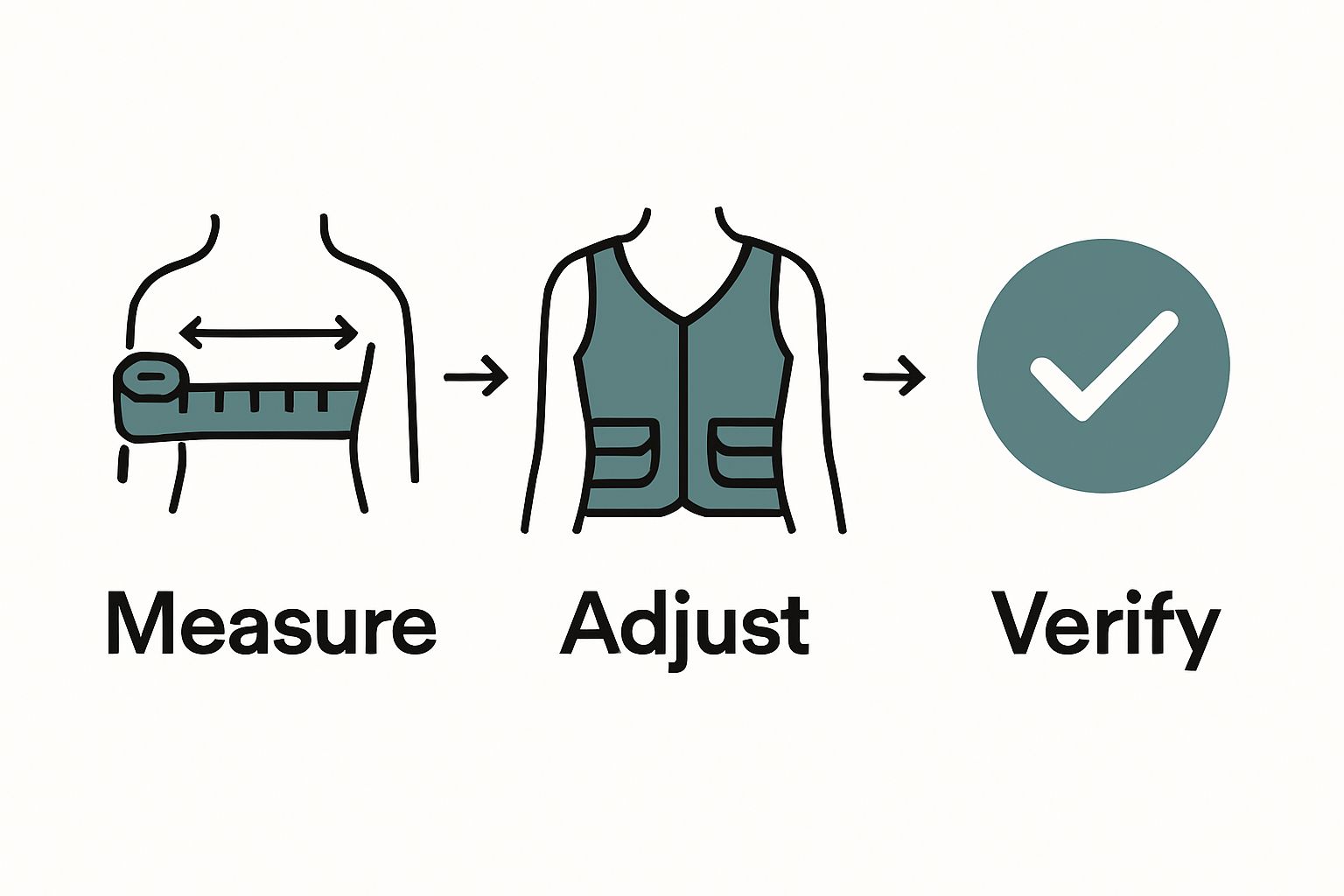
These resources can provide visual guidance and common measurement pitfalls to avoid. Remember that body armor should cover vital organs while allowing full range of motion. A properly fitted vest will sit snugly against your body without excessive gaps or uncomfortable pressure points.
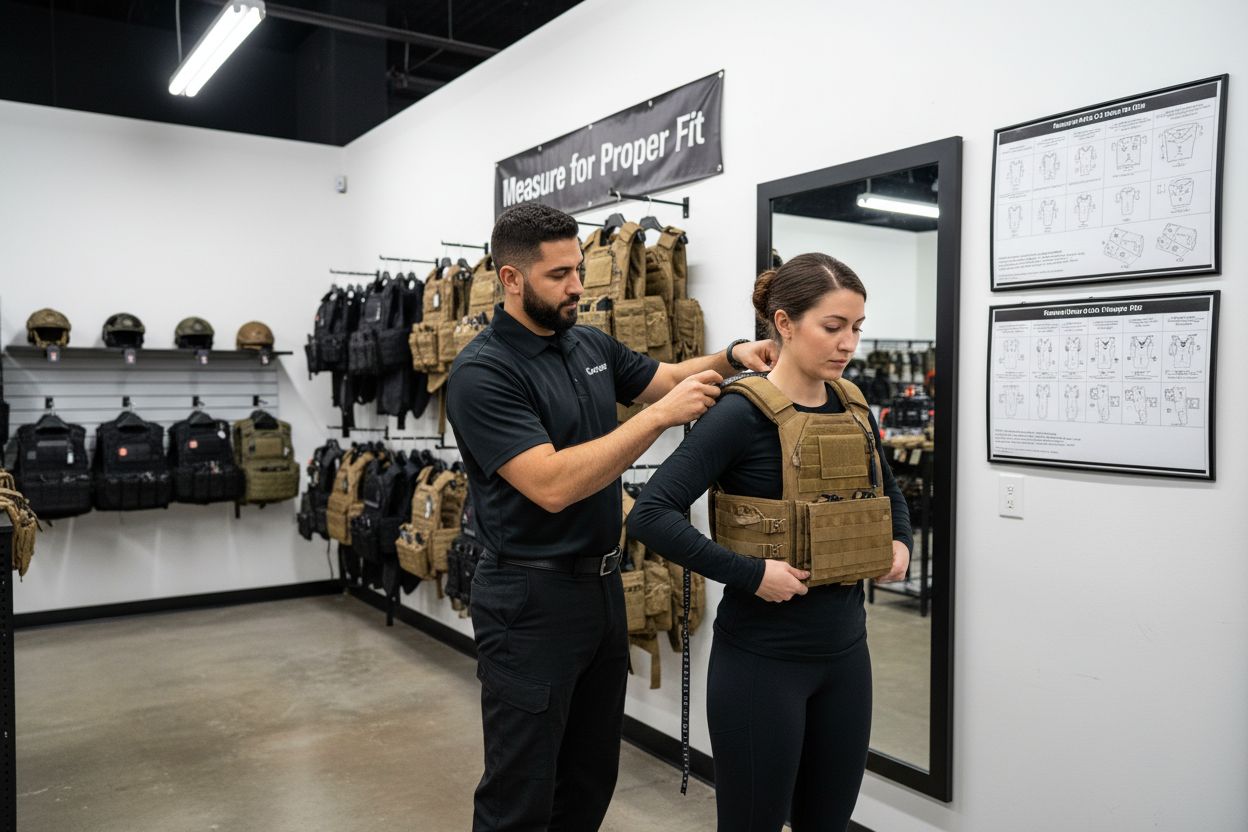
Consider scheduling a professional fitting if possible. Tactical gear specialists can provide hands-on guidance and help you understand how different armor styles interact with your specific body type. They can also demonstrate proper adjustment techniques and help you identify potential comfort or mobility issues before making a final purchase.
Verify your fit by performing a series of movement tests. Raise your arms, twist your torso, and simulate typical work or training movements. The armor should remain securely in place without shifting, pinching, or creating uncomfortable pressure zones.
This checklist table outlines key verification steps and requirements to ensure your body armor fits correctly and performs as intended. Review each point during and after your fitting process.
Checklist Item | Requirement/Description | Verification Method |
|---|---|---|
Chest Coverage | Armor covers full bust and vital organs | Visual check, movement test |
Torso Fit | Snug along torso without gaps or tight pressure | Physical fit, comfort assessment |
Arm Mobility | Full range of arm and shoulder movement | Raise arms, reach overhead, rotate |
Armor Stability | Armor does not shift during movement | Simulate running, twisting, crouching |
Breathing Comfort | No restriction to normal breathing | Deep breaths, regular movement |
No Chafing/Pinching | No discomfort in neck, shoulders, or armpits | Extended wear, varied movements |
Adjustability | All straps and closures allow easy adjustments | Tighten/loosen straps while wearing |
Step 4: Test Comfort and Mobility
Testing body armor for comfort and mobility goes beyond simple wear trials. This critical step determines whether your selected protection will enhance or hinder your performance in high-stakes environments. Comfort is not a luxury - it’s a tactical necessity.
Research from protection experts emphasizes the importance of armor that moves with your body, particularly for female users who often experience unique fit challenges. Begin your mobility assessment by simulating real-world scenarios that reflect your professional or personal protection needs.
Comprehensive Movement Testing
Start with a comprehensive movement simulation that covers a wide range of physical activities. If you’re a law enforcement officer, this means practicing weapon draw techniques, entering and exiting vehicles, and performing quick directional changes. For military personnel, include weapon handling, prone position transitions, and extended wear scenarios.
Focus on key mobility indicators during your test:
Full arm rotation and overhead reach
Crouching and kneeling movements
Twisting and lateral movements
Weapon handling and drawing
Walking and running comfort
Pay close attention to potential friction points and pressure zones. Body armor should feel like a second skin, not a restrictive shell. Areas around the shoulders, armpits, and chest require particular scrutiny. Any chafing, pinching, or consistent discomfort signals a poor fit that could compromise your operational effectiveness.
Consider wearing the armor during extended periods that mirror your typical work or training duration. This means testing not just movement, but sustained comfort during prolonged use. Incorporate your standard gear setup - duty belt, radio, additional equipment - to ensure complete system compatibility.
Document your findings meticulously. Note specific movements that feel restricted, areas of discomfort, and any performance limitations. Many manufacturers offer exchange or adjustment periods, so detailed feedback can help you secure the optimal armor configuration.
Remember that true armor performance combines protection, comfort, and confidence. If your body armor doesn’t allow you to move naturally and perform at your peak, it’s not meeting your protection requirements. Trust your body’s feedback and be prepared to make adjustments until you find the perfect balance between safety and mobility.
Step 5: Female Body Armor Maintenance
Maintaining body armor is a critical responsibility that directly impacts your long-term protection and equipment performance. Proper maintenance is not optional - it’s an essential aspect of your safety investment. Unlike standard protective gear, body armor requires specialized care to preserve its ballistic integrity and protective capabilities. Begin by thoroughly reviewing the manufacturer’s specific maintenance guidelines. Each body armor type - whether soft armor, hard plates, or hybrid designs - has unique care instructions that must be followed precisely. Neglecting these guidelines can compromise your armor’s protective qualities. Storage and Cleaning Protocols
Proper storage is your first line of defense in armor maintenance. Store your body armor in a cool, dry environment away from direct sunlight and extreme temperatures. Avoid hanging the vest, which can stretch and deform the protective materials. Instead, lay it flat or store it on a dedicated armor rack that maintains its natural shape.
Cleaning requires a delicate approach. Your maintenance routine should include:
Regular visual inspections for damage
Gentle surface cleaning with mild, non-abrasive soap
Thorough air drying at room temperature
Avoiding dry cleaning, bleach, or machine washing
Preventing direct contact with harsh chemicals
Learn more about proper body armor maintenance with our comprehensive guide. Understanding the nuanced care requirements can significantly extend your armor’s operational life and maintain its protective capabilities.
Pay special attention to potential damage indicators. Creasing, punctures, moisture exposure, or significant wear can compromise the armor’s structural integrity. Professional law enforcement and military users should implement a rigorous inspection protocol, checking for subtle signs of material degradation that might not be immediately visible.
Establish a consistent maintenance schedule. For active professionals, this means weekly visual inspections and monthly detailed assessments. Civilian users should still conduct monthly checks and maintain detailed records of the armor’s condition. Keep track of the manufacture date, as most body armor has a recommended replacement timeline of 5-10 years, depending on usage and storage conditions.
Remember that maintenance is an ongoing commitment to your personal safety. Treat your body armor as a critical piece of life-saving equipment, not just another piece of clothing. Regular, meticulous care ensures that when you need protection most, your armor will perform exactly as designed.
Elevate Your Protection With Armor Designed for Women
Navigating the world of personal ballistic protection is never simple, especially when so many products ignore the unique needs and risks faced by women in law enforcement, security, and civilian life. If you have struggled to find body armor that delivers exceptional fit, reliable coverage, and industry-standard protection levels, you are not alone. The article made it clear: selecting the right armor involves understanding specific threat levels, measuring for a proper fit, ensuring comfort during real-world activity, and maintaining your gear over time.
You deserve peace of mind knowing your gear is made for you. At AcelinkArmor.com, our body armor selection goes beyond generic solutions and features protective vests and accessories developed for a secure, comfortable fit that meets the most rigorous ballistic standards. Explore our detailed body armor buying guide to discover the distinctions between Level IIIA and Level IV protection, and check out our guide on panel maintenance and replacement to keep your investment performing at its best. Equip yourself today with confidence. Visit AcelinkArmor.com now to view our full collection and take the next step toward reliable, personalized protection.
Frequently Asked Questions
What factors should I consider when identifying my protection needs for body armor?
Begin by assessing the specific threats you might encounter in your work or personal life. Consider factors like typical threat environments, potential ammunition types, and your comfort and mobility needs to ensure you select the right protection level.
How do I choose the right protection level for female body armor?
Evaluate the different armor levels—ranging from Level IIA to Level IV—based on the types of threats you may face, such as handguns or rifles. Match your armor selection to your specific risk profile to find a balance between adequate protection and mobility.
What are key design considerations for female body armor?
Focus on armor that is specifically designed for the female physique, which addresses anatomical differences for a better fit. Look for options with contoured designs that enhance comfort and mobility without compromising protection.
How can I ensure a proper fit when measuring for body armor?
Take precise measurements of key areas such as your chest circumference, torso length, and shoulder width while wearing lightweight clothing. Ensure the armor fits snugly against your body, providing coverage without excessive gaps or uncomfortable pressure points.
What methods can I use to test the comfort and mobility of my body armor?
Simulate real-world scenarios by practicing movements relevant to your role, such as weapon handling or vehicle entry. Pay attention to any areas of friction or restriction, and ensure the armor allows for a full range of motion during wear.
What maintenance steps should I follow to care for my body armor?
Store your armor in a cool, dry place, avoiding direct sunlight and harsh chemicals. Regularly inspect it for damage and clean it gently every month to extend its lifespan and ensure it retains its protective qualities.
Recommended
Essential Body Armor Buying Tips for Personal Protection - Ace Link Armor
Understanding The Role of Body Armor in Active Shooter Scenarios - Ace Link Armor
Body armor heat management - Why Heat Is the Hidden Enemy - Ace Link Armor
Recommended Product Path
Use this product path as a starting point, then confirm sizing, protection level, documentation, and lawful use before buying: Female-fit bulletproof vests; soft armor panels; concealable armor.
Continue Reading
These guides help answer the next questions a buyer usually has after this topic.