Selecting the proper body armor is not as simple as it may seem.
Key Takeaways
Choose body armor by starting with the threat, environment, and role it needs to support.
Soft armor, hard armor plates, carriers, and helmets solve different protection problems and should not be treated as interchangeable.
NIJ-rated protection levels, fit, weight, concealability, and long-term comfort all affect whether armor will actually be worn correctly.
Legal rules, maintenance requirements, and replacement timelines should be reviewed before buying.
The best setup is the one that matches a realistic use case without overstating what armor can do.
Choosing body armor starts with a clear understanding of the threat, the wearer, and the environment where the gear will be used. A vest, rifle plate, carrier, helmet, or accessory can be useful only when it matches the job it is being asked to do.
This guide is the starting point for the Ace Link Armor knowledge base. Use it to decide which direction to research next, then move into the more specific guides linked throughout the article.
Start With the Threat Profile
Before comparing products, define the realistic threat. Handgun threats, rifle threats, edged threats, fragmentation, concealment needs, and duty use all point buyers toward different equipment. A civilian buyer preparing for emergencies, a security professional working long shifts, and an officer building a duty setup should not start with the same assumptions.
Use Fake Body Armor Claims: Complete Guide for Buyers to verify product claims and review NIJ documentation instead of relying on broad marketing language.
Choose the Armor Type
Soft armor is generally used when concealability, flexibility, and handgun-rated protection are priorities. It is commonly chosen for low-profile wear, long-duration comfort, and roles where mobility matters. Start with What is Soft Armor Panel? when you need a deeper soft-armor primer.
Hard armor plates are built for rifle-threat protection and usually require a plate carrier. They add weight and bulk, but they address threats that soft armor is not designed to stop. Compare hard armor through Choosing NIJ Certified Hard Armor: Buying Guide before choosing plate material, cut, size, or curve.
Understand NIJ Protection Levels
NIJ standards help buyers compare armor against defined test methods and threat levels. Protection terminology has changed with the newer NIJ standards, so buyers should read current documentation instead of relying only on older Level IIIA, Level III, or Level IV shorthand.
Review NIJ Certified Hard Armor: What it is and Why It Matters and Understanding Body Armor Material Types before treating any product label as proof of protection.
Fit, Weight, and Comfort
Armor that is too heavy, too hot, or poorly fitted is less likely to be worn correctly. Fit affects coverage, comfort, access to equipment, and how the armor moves when the wearer sits, runs, bends, or works for long periods.
Compare Body Armor Fit: Weight, Flexibility & Protection, Understanding Thermal Comfort While Wearing Body Armor, and Female Body Armor - Choose Right Protection when comfort and body shape are important.
Carriers, Helmets, and Supporting Gear
Plate carriers, chest rigs, and helmets should support the mission instead of adding unnecessary bulk. A carrier should hold plates securely and provide only the loadout space the wearer actually needs. A helmet should be evaluated by protection, weight, accessory compatibility, and realistic use.
Use Plate Carrier Guide 2024 update and Ballistic Helmet Selection Guide: Choose the Right Gear when the setup requires more than a vest or plate set.
Legal, Professional, and Preparedness Context
Armor ownership and use can vary by jurisdiction and role. Buyers should review applicable laws, workplace rules, and training requirements before building a setup. Protective equipment should be part of a larger safety plan, not the entire plan.
Read Body Armor Legal guidance for legal context, Level IIIA Armor for Law Enforcement for profession-based needs, and Preparedness Guide - Take Responsibility for Your Safety for broader readiness planning.
Maintenance and Replacement Planning
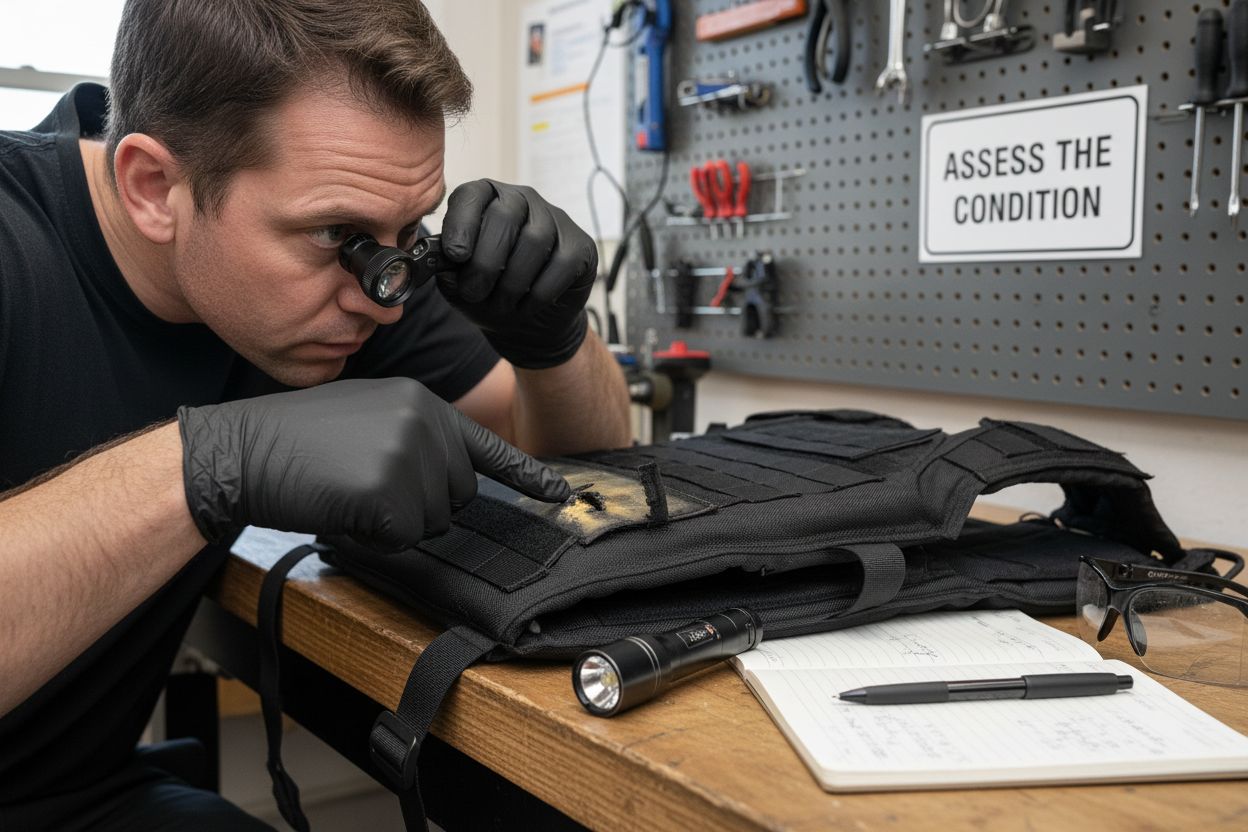
Body armor has a service life. Storage, moisture, heat, impact, and daily wear can affect condition over time. Buyers should understand care requirements before purchase and inspect armor regularly after purchase. Start with Bulletproof Vest Care Guide when building a maintenance routine.
Recommended Product Path
Use this product path as a starting point, then confirm sizing, protection level, documentation, and lawful use before buying: Bulletproof vests; soft armor panels; hard armor plates; plate carriers; ballistic helmets.
Recommended Buyer Path
For most buyers, the safest path is to define the threat, choose the armor type, verify documentation, test the fit, and then decide whether supporting gear is necessary.